You in all likelihood already know the purpose of the radiator and the cooling scheme in your car.
When you are dynamic instant, the wind passes through the radiator to cool the coolant down without issues, but when you are driving stupid, no steer is pushed through the radiator. This is why we manipulation a radiator lover.
Regrettably, the radiator fan can go bad and will cause your car to overheat.
What causes the radiator to stop employed?
The most inferior reasons a radiator buff is non working are as luck would have it out-of-pocket to a blown fuse, invalid electrical relay, or a broken wire. It can likewise be caused by a imperfect coolant temporary worker sensor, humbled coolant level or the fan itself can be destroyed.
While these are some of the reasons, it is not altogether of them. Here is a Thomas More careful list of the most common causes of a radiator buff non coming on:
7 Reasons Why Your Radiator Fan is Not Working
1. Out of breath Flux

A electrical fuse supports almost everything physical phenomenon in a car. If there is an electrical surge going towards a piece of electronic equipment, the fuzee cuts the electric supply to that particular equipment saving it from destruction. This is what we call a blown fuse.
A blown fuse is no big conduct, and changing one does not cost a lot of money. If your car's radiator winnow is non-running, agree your car's exploiter manual of arms and locate the fuse for the radiator fan restrainer or the fan.
The fan itself often uses a big fuse of around 50A, while there might also be a abstracted small fuse to the fan control module. Remember that if the fan fuse is blown – in that location might be a problem with the wirings Beaver State the radiator rooter.
2. Faulty Coolant Temperature Sensor
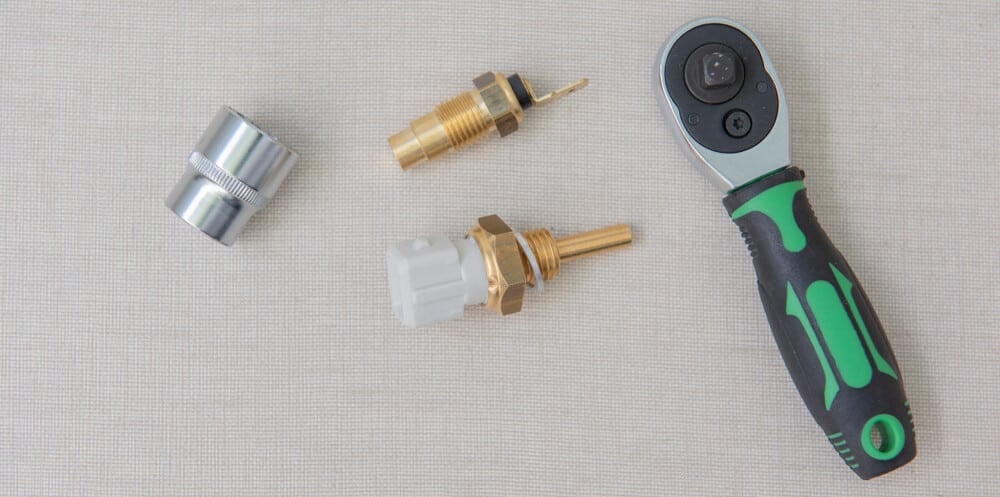
There are often two different systems in different gondola models. Either your fan control is structured into the engine control unit, or you have a separate fan check module. In both cases, the control units use a temperature sensor to know when to start the radiator fan.
If this temperature sensor is impoverished, the control unit will not know when to start the radiator fan.
Extraordinary cars utilise separate engine coolant temperature sensors for the radiator fan and the engine control unit.
You need to check your restore manual of which temperature detector controls the radiator fan then resistance-measure the sensor with a multimeter to ensure information technology is functional.
3. Broken Wiring surgery Penitent connection
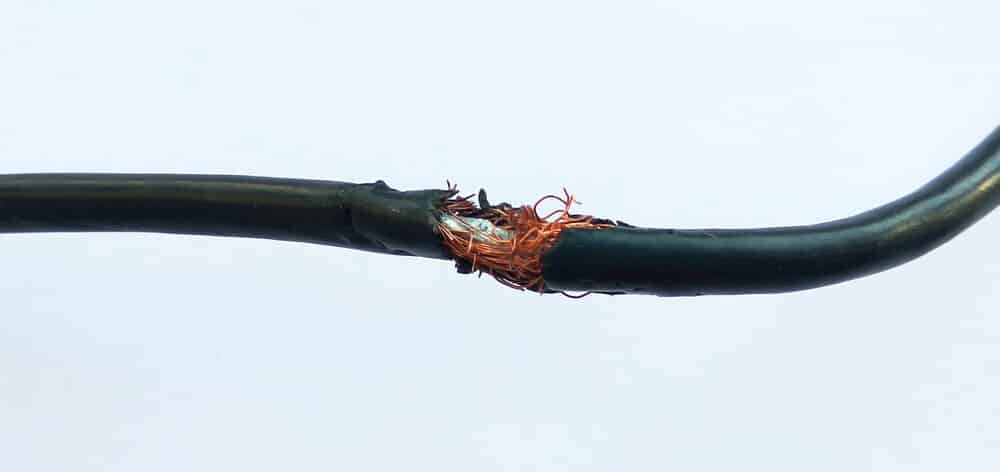
If the fan is not temporary even when the car is overheating, there mightiness be a wiring issue or a dreadful connection.
Check the wirings going to the radiator fan from the control unit OR relay. Check in the connector plugs for any signs of erosion. Also, check the connector plugs at the electrical relay and control unit.
Measuring the wirings with a multimeter is often non very effective, as you need to put a load on the wires to see if they are functional. However, as a fast test, you can check with a multimeter if power is approach to the radiator fan.
4. Stingy Coolant
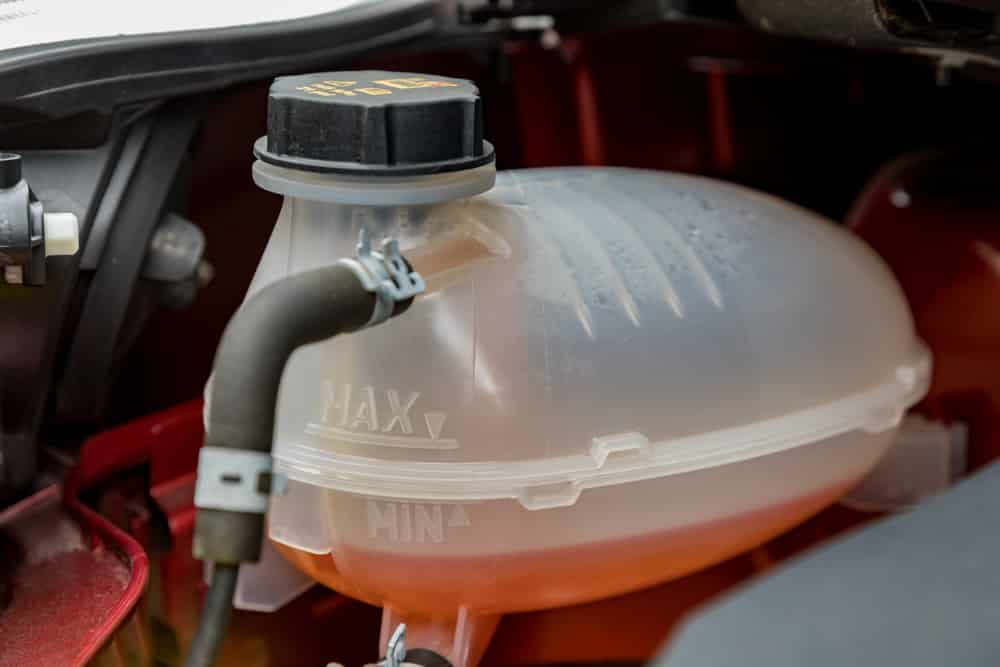
If your coolant level is low, there is a chance that you will get melodic line in the system, and the coolant temperature sensing element will non record the coolant temperature correctly. If the coolant level is low, you need to refill the coolant to optimum levels.
Failing to ut so could risk your engine flattering overheated and seized. On that point is no coming back from a seized locomotive engine unless you are willing to spend a lot of money.
5. Broken Radiator Fan
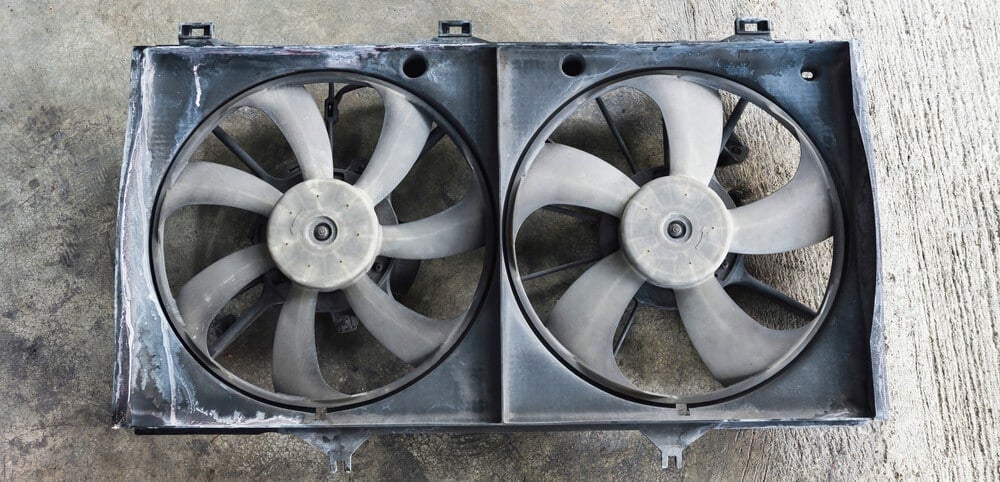
When your radiator fans are non approach on, information technology arse also constitute caused past imperfect radiator fans. The radiator fans consume electrical motors within of them, which will wear out after some age.
You can test the physical phenomenon radiator fans by taking a electrify from the automobile battery, unplug the radiator fan connector, and put 12v+ and ground into the connector. This is the quickest and easiest way to test your radiator fans.
6. Imperfect Rooter Relay
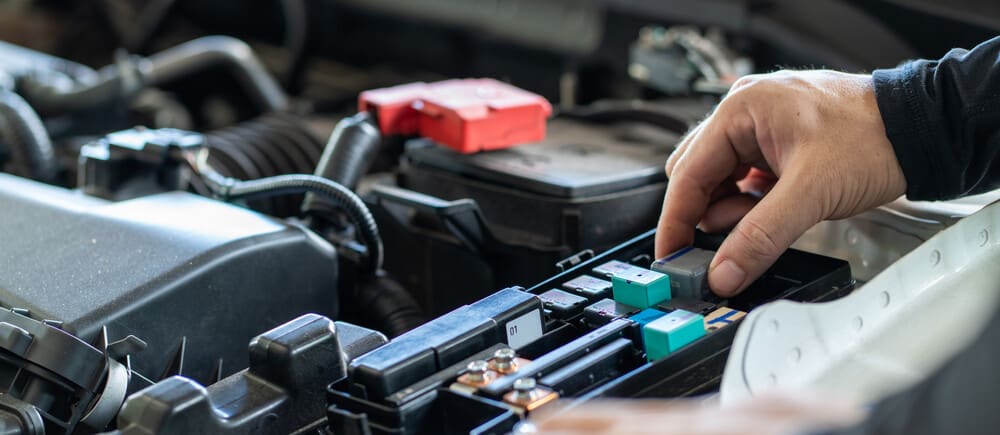
Because the radiator rooter is often drawing so much power, there is often a relay powering the coolant fan. Of course, this electrical relay can get damaged, which will cause the radiator devotee to not coming on.
The fan relay is often located in the engine embayment's fuse box, but the best way is to check your repair manual to obtain where it is located.
Testing a 4 pin electrical relay is often very straightforward. Remove the electrical relay and give 12 volts to immobilise 30 and 85. Ground pin 86 and check if there is voltage coming out from pin 87. It is even bettor to tie in pin 87 to something that draws a fate of power, the like the fan, for example.
7. Rubber Devotee Controller Faculty
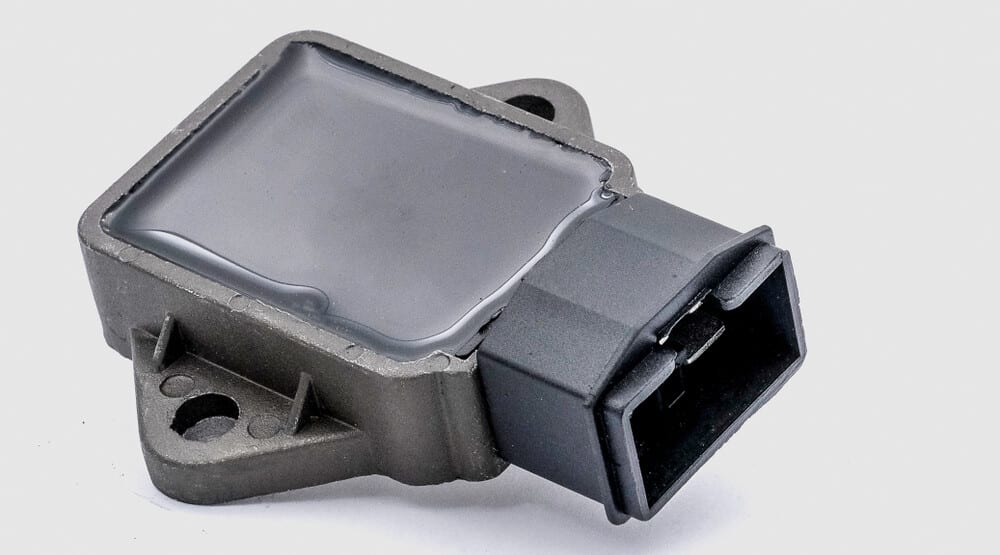
As I discussed before, some cars have a separate control faculty for just the radiator lover control. This control module is often installed in the engine bay, exposed to heat and dust. This can relieve oneself the control module fail after a spell because of corrosion.
Situate the relay and check for any visual damages outside of it. You can often besides open up the relay and check for any bad solderings or erosion. Replace it if you check any problems.
Will Cooling Fans Come on if You Have a Bad Thermostat
Source: https://mechanicbase.com/electric/radiator-fan-is-not-coming-on/


0 Komentar
Post a Comment